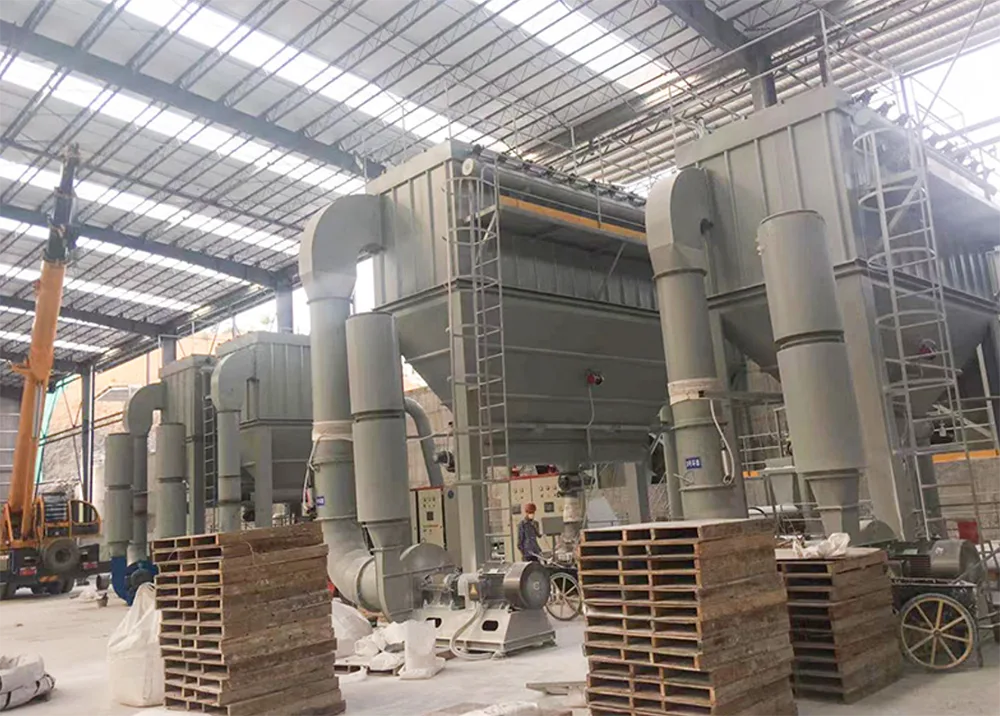
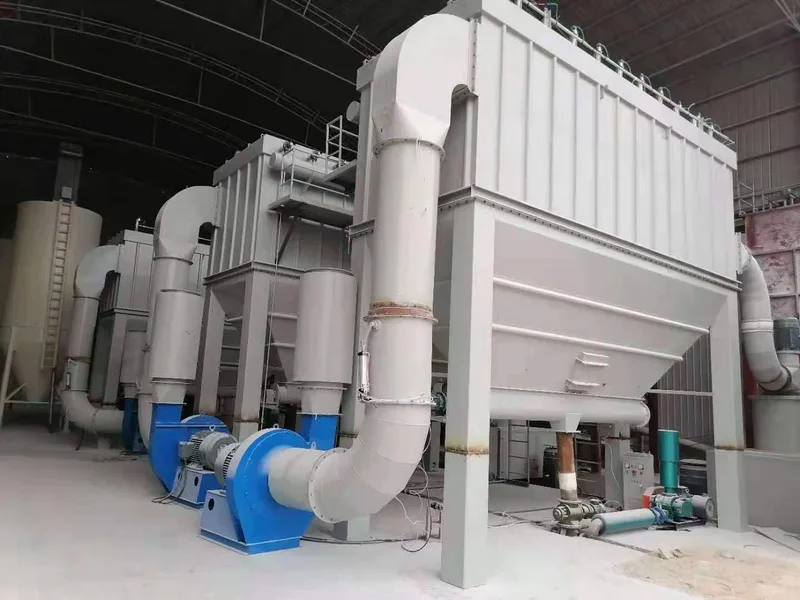
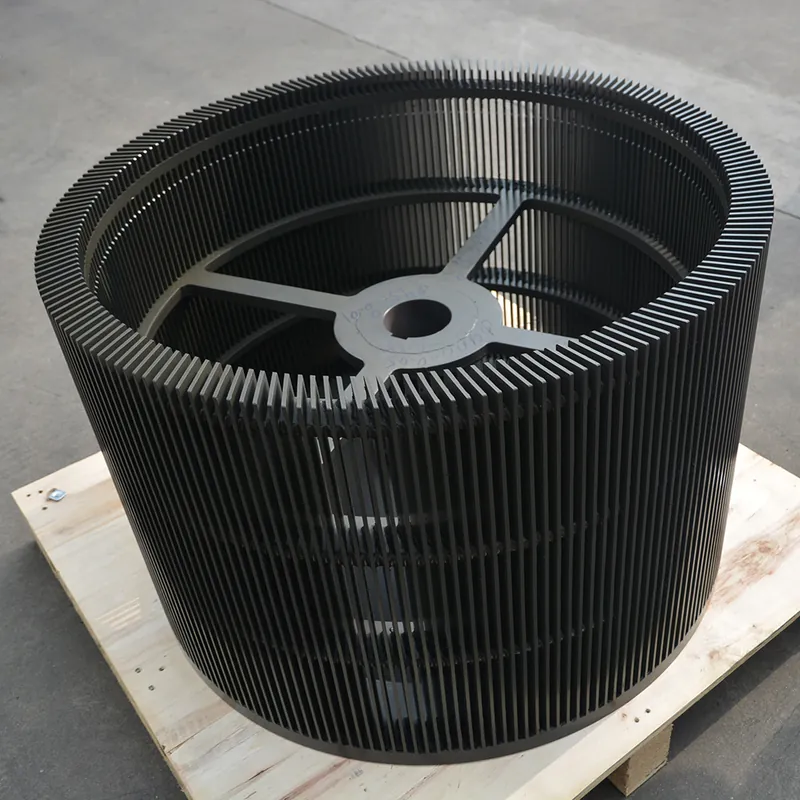
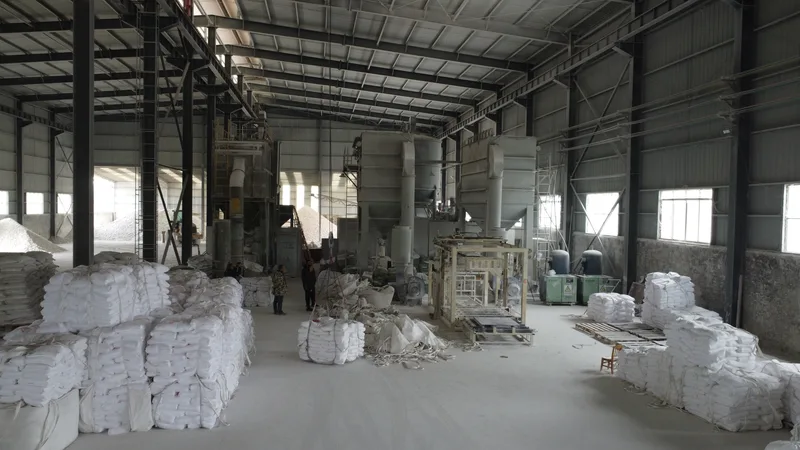
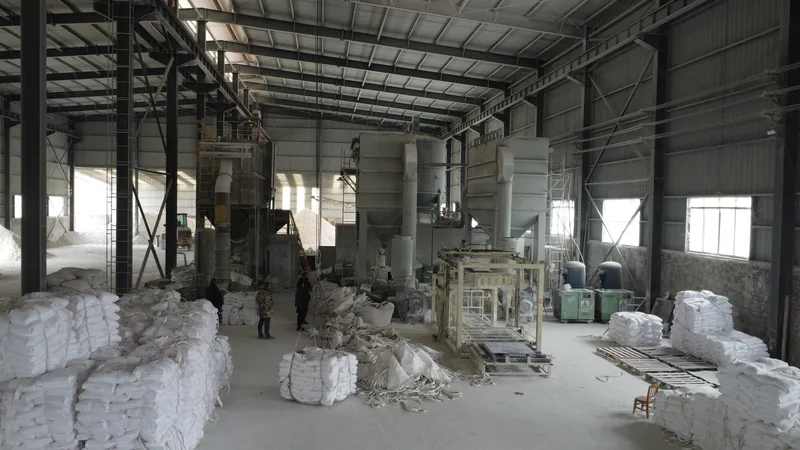
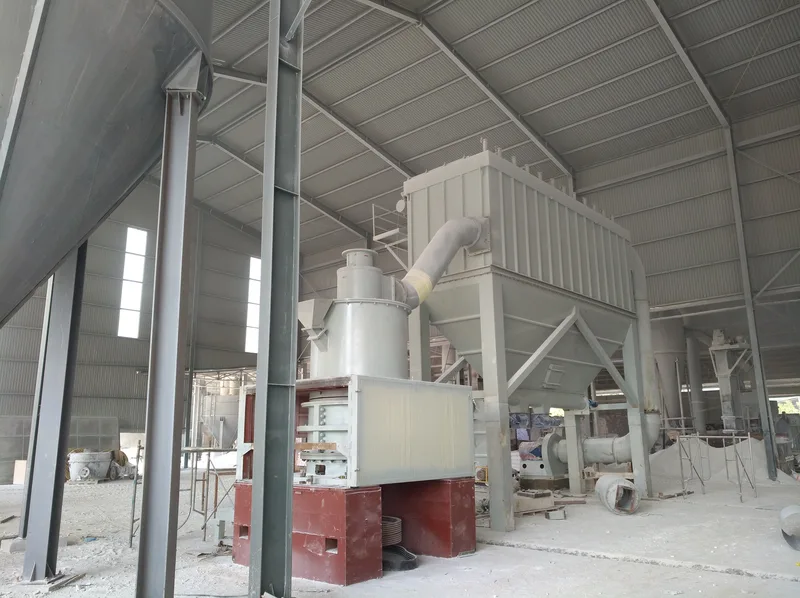
Complete industrial ultrafine mineral powder grinding line

GYPSUM POWDER GRINDING MACHINE

Design the powder from the process, not from the mill alone.

A practical engineering reference for gypsum mineralogy, crushing, metered conveying, dry grinding, air classification and calcination - with CRGM80, CRGM100 and CRGM125 as the ultrafine equipment platform.

CaSO4.2H2O
Natural gypsum basis
5-74 um
CRGM catalogue envelope
1973
Manufacturing heritage
01 Gypsum science

01 / Material intelligence

Gypsum is a water-bearing mineral with a thermal memory.

Its value comes from reversible hydration chemistry. Grinding changes surface area and reaction rate; calcination changes the crystal water and binding behavior. The two operations must therefore be designed together.

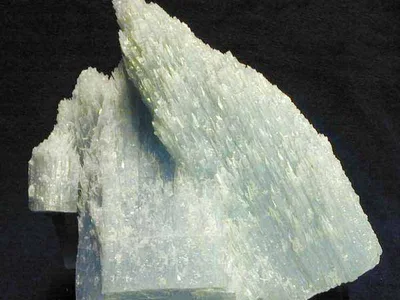
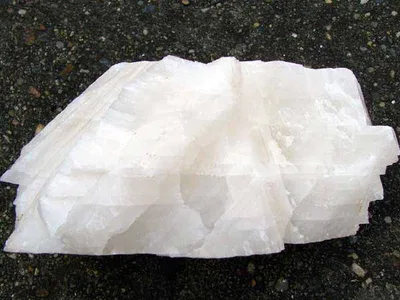
Natural gypsum rock used for powder production
Natural gypsumSoft, brittle, Mohs hardness about 2; purity, clay, anhydrite and free moisture still matter.

THE HYDRATION LOOP

GypsumCaSO4.2H2O
controlled heat removes part of the crystal water
Hemihydrate / stuccoCaSO4.0.5H2O
water addition rebuilds interlocking gypsum crystals

Overheating can push material toward soluble or insoluble anhydrite. Residence time, gas temperature and particle size all influence the final plaster response.

02 / Global resource context

Gypsum is widespread, but production is concentrated.

Evaporite basins occur on every inhabited continent. Major mined supply is reported from China, the United States, Iran, Oman, Turkey, Spain and Thailand, while synthetic gypsum from flue-gas desulfurization and other industrial processes also feeds wallboard and cement markets.

Deposit origin matters: marine evaporites can contain anhydrite, carbonates, clay and salts; recycled wallboard adds paper and variable moisture. Each source needs a representative sample, not only a chemical certificate.

Source: USGS Mineral Commodity Summaries, Gypsum (2025)
Indicative mine productionmillion metric tons, rounded

Values are rounded planning context from USGS reporting, not a reserve estimate or purchasing forecast.

03 / Particle size by use

Fineness is useful only when it improves a downstream function.

Mesh labels are approximate. Specify a laser PSD, top size, residue test and application property whenever the powder is performance-critical.

Typical bandCommon routeWhy the size matters
80-150 meshabout 180-100 umCement set regulator, soil conditioning, general construction blendsEconomical liberation and handling; excessive ultrafines may increase water demand or dust.
200-325 meshabout 75-45 umPlaster, wallboard core, putty, dry-mix mortarMore uniform calcination and dissolution; supports smoother mixing and controlled setting.
400-800 meshabout 38-18 umFine skim coat, joint compound, specialty fillerImproves surface finish, packing and suspension while demanding tighter moisture and classifier control.
1,000-2,500 meshabout 13-5 umEngineered filler, model/plaster systems, polymer or coating developmentHigh surface area changes rheology and reaction speed; economics and agglomeration must be tested.
Important:A reported "mesh" does not define D10, D50, D97, particle shape or agglomeration. Purchase specifications should state the method and acceptable PSD window.

04 / Process route

Six controlled steps from rock to classified powder.

The exact order of grinding and calcination varies by product and kiln technology. This dry route describes a common mineral-powder preparation line.

  1. 01
    Primary crushing

    Jaw or hammer crushing reduces quarried gypsum to a stable top size. A magnet and scalping screen protect downstream equipment.

  2. 02
    Buffering & metering

    A hopper, bin activator and variable-speed feeder decouple the crusher from the mill and stabilize circulating load.

  3. 03
    Moisture conditioning

    Free moisture is measured. Drying or warm process air is considered when coating, bridging or poor separation is likely.

  4. 04
    Compression grinding

    Material is repeatedly compressed and sheared between the grinding rings and rollers until it can enter the air stream.

  5. 05
    Dynamic classification

    Fine particles pass the classifier; coarse particles return to the grinding zone. Rotor speed and airflow set the cut point together.

  6. 06
    Collection & product routing

    Cyclone and bag filtration recover powder. It can be sent to silos, packing, blending or a controlled calcination stage.

PROCESS VARIABLES TO LOCK

  • Feed chemistry and purity
  • Seasonal free moisture
  • Crusher product PSD
  • Target D50 / D97 or residue
  • Required plaster setting behavior
  • Dust and local emission limits
Cronus ultrafine grinding equipment in operation. Video carries Cronus branding.

Process reference: U.S. EPA AP-42, Gypsum Manufacturing. Final line arrangement depends on product route and local requirements.

05 / Equipment selection

Raymond mill, ball mill or CRGM ring roller mill?

Choose from the full PSD, capacity at that PSD, energy, footprint, contamination, maintenance and the properties required after calcination.

RM

Raymond mill

Commonly 80-400 mesh

  • Simple and widely understood circuit
  • Good general-purpose gypsum powder route
  • Lower entry complexity
  • Fine-end capacity and top-cut control need proof

Best when: the product accepts a conventional PSD and robust simplicity is the priority.

BM

Ball mill + classifier

Broad fine to ultrafine duty

  • Separate media grinding and classification
  • Flexible at large integrated-plant scale
  • Larger footprint and media inventory
  • Over-grinding and iron pickup deserve review

Best when: plant scale, wet processing or existing infrastructure justifies the circuit.

Main target above 45 um?Start with Raymond and CRGM test data.
D97 near 10 um or below?Prioritize classifier and full PSD performance.
Feed contains paper or sticky fines?Add separation and conditioning before milling.
Final product is plaster?Test grinding and calcination as one system.
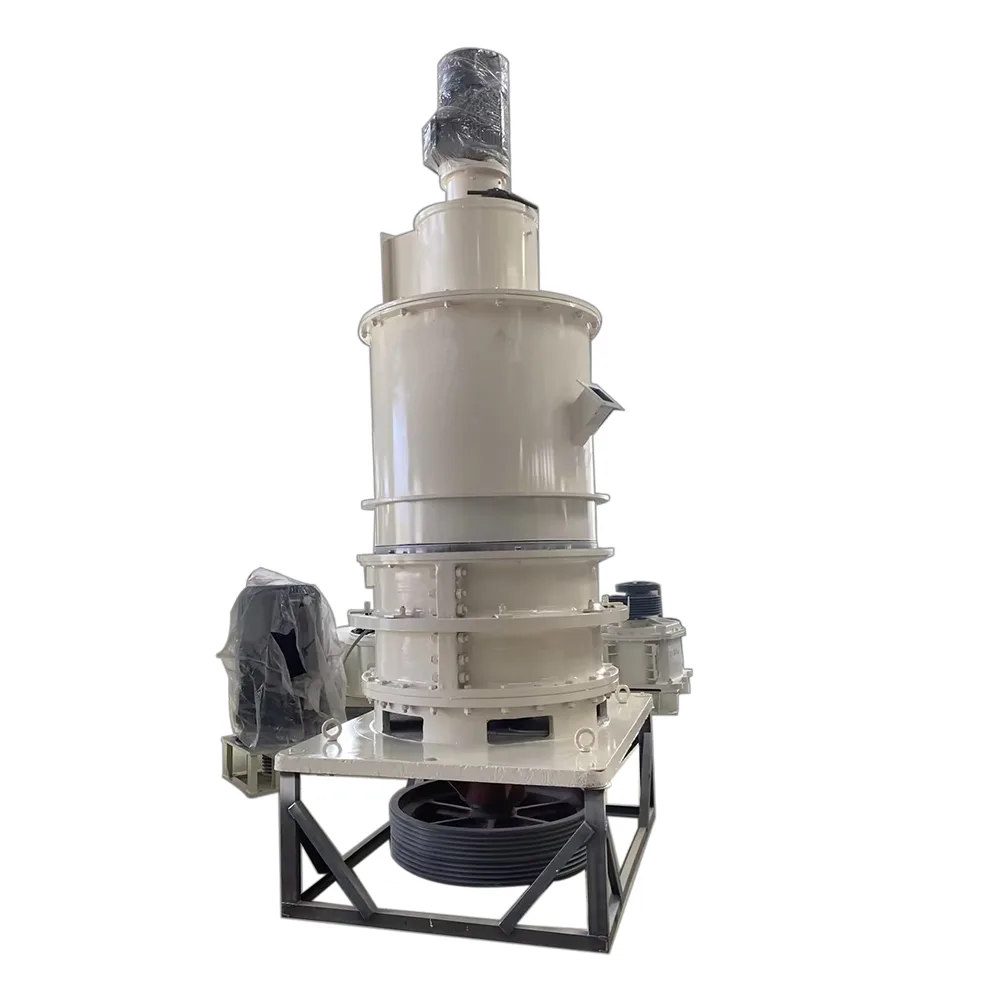
Cronus CRGM gypsum ultrafine ring roller grinding millDynamic classifierGrinding rings & rollersAir inlet & collection loop

06 / Working principle

Repeated compression creates fines; airflow decides what leaves.

Feed enters the mill and falls toward the rotating grinding assembly. Centrifugal motion distributes it through multiple roller-and-ring levels. Each pass applies compression, shear and limited impact, progressively reducing the brittle gypsum.

A process fan carries liberated particles upward. The dynamic classifier rejects particles above the operating cut point and returns them to the grinding zone. Accepted fines continue to cyclone and bag collection. Because the circuit is closed, feeder rate, main-mill load, airflow and classifier speed must be tuned as one system.

Grinding assemblyMain shaft, turntable, rings, rollers and pins create repeated stressed contacts.
Classification assemblyRotor speed and air velocity control separation probability and coarse-tail return.
Collection assemblyCyclone, bag filter and airlock recover product while the fan sustains the loop.
Control assemblyInterlocks, feeder control, pressure and current trends keep the circuit stable.
Internal multi-layer ring and roller structure of CRGM ultrafine mill
Multi-level roller and ring grinding zone
Dynamic air classifier used to control gypsum powder fineness
High-efficiency dynamic classifier
Detailed internal structure of ultrafine ring roller grinding mill
Serviceable internal grinding assembly

07 / Catalogue technical data

CRGM80, CRGM100 and CRGM125

These are catalogue reference values, not a gypsum output guarantee. Final capacity changes with feed moisture, purity, gypsum/anhydrite ratio, target PSD and test method.

Ring diameter800 mm
Rings / rollers3 / 21
Main shaft speed230-240 rpm
Product range5-74 um
Catalogue capacity0.5-4.5 t/h
Total installed power143 kW
ParameterCRGM80CRGM100CRGM125
Maximum feed size20 mm
Ring diameter800 mm1,000 mm1,250 mm
Grinding rings / rollers3 / 214 / 284 / 32
Main shaft speed230-240 rpm180-200 rpm135-155 rpm
Product fineness5-74 um5-74 um7-74 um
Catalogue capacity0.5-4.5 t/h1.8-5 t/h1.5-12 t/h
Main unit power75 kW132 kW185 kW
Classifier power18.5 kW30 kW75 kW
Blower power45 kW75 kW132 kW
Discharge valve0.75 x 2 kW1.1 kW1.5 kW
Screw conveyor3 kW4 kW4 kW
Total installed power143 kW244 kW401 kW
Overall dimensions (L x W x H)15.9 x 4.2 x 6.1 m19.7 x 4.7 x 7.7 m23.2 x 4.7 x 7.7 m

Source: CRONUS Grinding Mill Catalog supplied with this project. Ask for a representative gypsum test before fixing capacity, power consumption or guaranteed residue.

08 / Engineering advantages

Useful advantages, stated with their operating conditions.

No mill is automatically efficient. The following benefits appear when the feed is conditioned, the classifier is correctly selected and the circuit operates near its stable design point.

01

Closed-circuit PSD control

Oversize material is internally returned instead of leaving with the product, helping control the coarse tail.

02

Compact grinding density

Multiple stressed contacts are arranged vertically in one main unit, reducing the footprint of the grinding stage.

03

No loose media charge

Wear management focuses on engineered rollers, rings and pins rather than a large inventory of grinding balls.

04

Multi-grade operation

Recorded feeder, airflow and classifier recipes can support several validated product grades from one line.

05

Negative-pressure containment

A correctly balanced fan and filter circuit helps manage dust at transfer points and supports clean production.

06

Service-oriented internals

Wear surfaces are inspectable and replaceable; condition trends can be tied to a planned maintenance schedule.

09 / Related applications

One platform, tested mineral by mineral.

CRGM equipment is intended for brittle non-flammable, non-explosive mineral feeds within the verified hardness, moisture and contamination limits.

Gypsum mineral for ultrafine powder grindingGypsumPlaster, board, filler, cement
Calcite for calcium carbonate powder grindingCalciteCoatings, plastics, paper
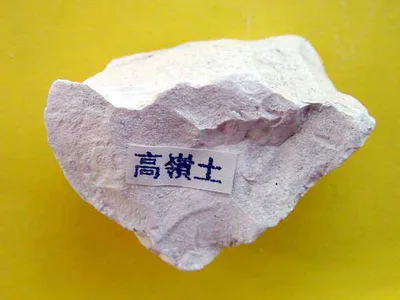
Kaolin clay for mineral powder grindingKaolinCeramics, coatings, filler
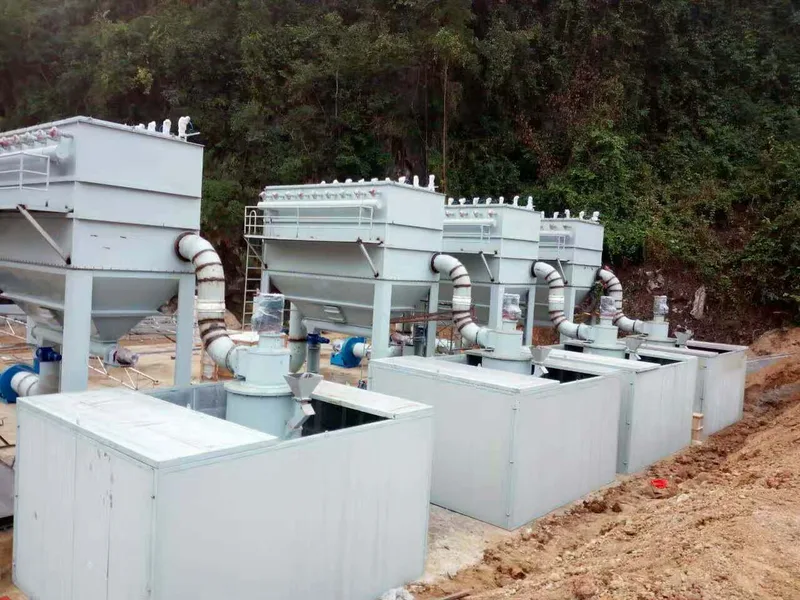
Industrial non-metallic mineral powder productionDolomiteGlass, agriculture, filler

10 / Field evidence

Real equipment, real installation conditions.

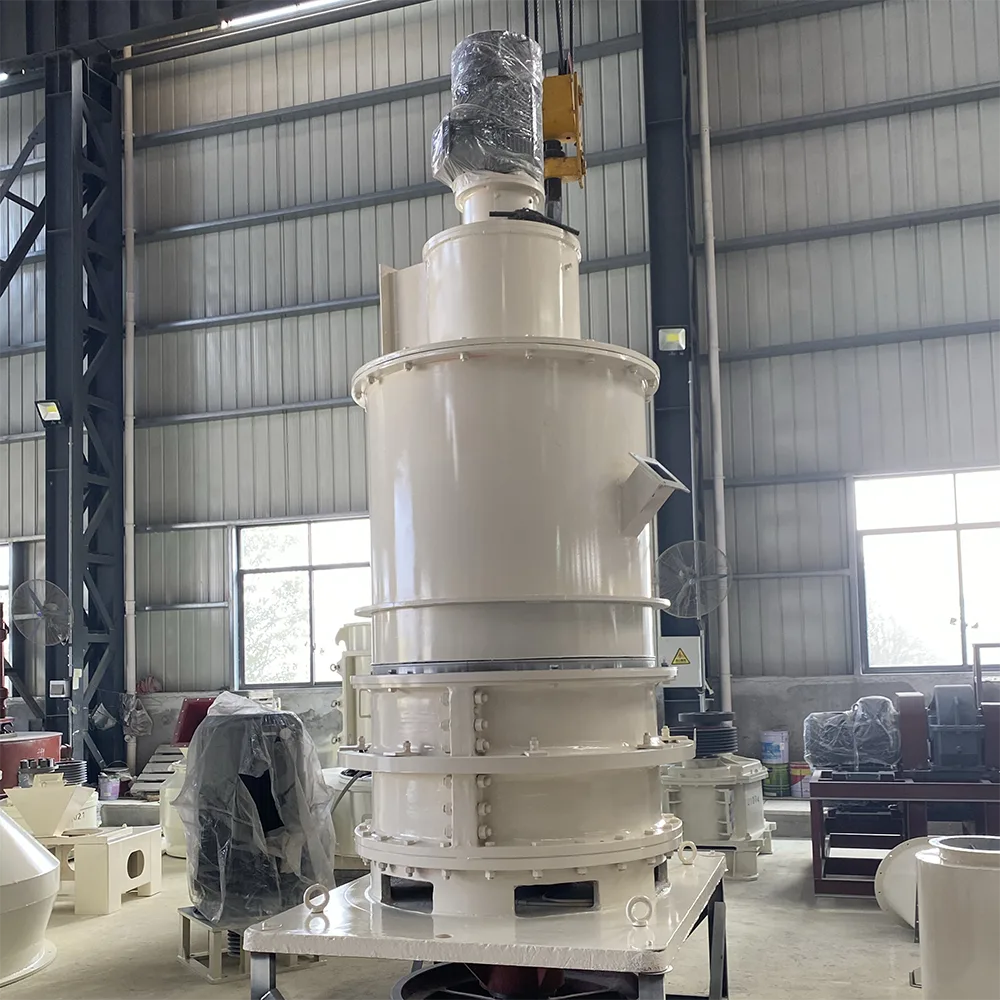
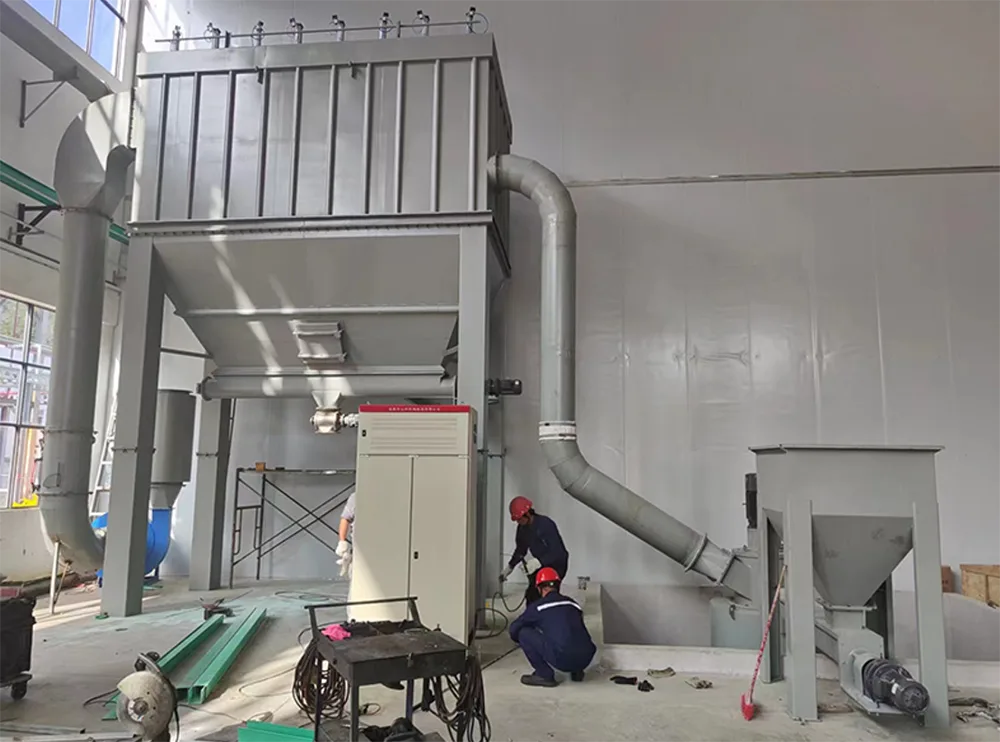
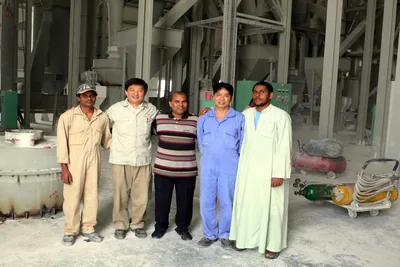
The project media below document Cronus ultrafine mineral lines and workshop assembly. Material identity and guaranteed performance remain project-specific and are not inferred from a photograph.

11 / Wear parts & spares

Wear is managed through inspection, metallurgy and fit.

Quartz contamination, feed top size, target fineness and unstable operation can dominate wear cost. A spare-parts plan should begin with the mineralogy report.

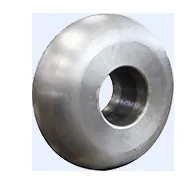
Original Cronus grinding roller spare part

Grinding rollers

Primary stressed surface; inspect profile, mass loss and mounting condition.

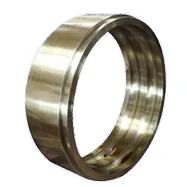
Original Cronus grinding ring spare part

Grinding rings

Mating wear surface; replace as a controlled set when geometry affects product or vibration.

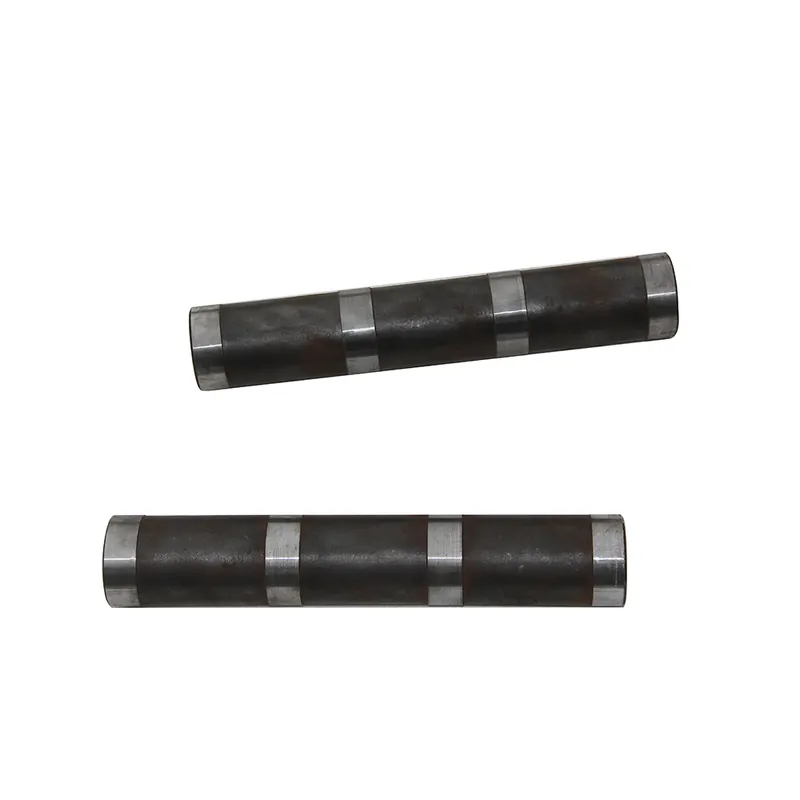
Cronus roller pin spare part

Pins & bushings

Check clearance, lubrication condition and fatigue indicators during planned shutdowns.

Cronus dynamic classifier rotor spare part

Classifier rotor

Cleanliness, balance and blade condition directly influence separation consistency.

Original dimensional fitParts are matched to Cronus drawings and assembly interfaces.
Own foundry capabilityMaterial selection and casting quality can be controlled through the manufacturing chain.
Practical lifecycle valueCompetitive supply is paired with traceable specification and service support.
Planned stock supportProject-specific wear lists help reduce unplanned production stops.

12 / Cronus & Guilin Mining Machinery

More than five decades behind the current equipment platform.

Shanghai Cronus Machinery Co., Ltd. is a subsidiary of Guilin Mining Machinery Co., Ltd. Guilin Mining Machinery was founded in 1973 and developed as a specialist manufacturer of grinding and mineral-processing equipment.

The manufacturing base combines machining, welding, assembly, testing and after-sales teams. This long production history matters most where it becomes practical: mature drawings, repeatable fits, original spare parts, experienced commissioning and the ability to review unusual mineral behavior.

50+
years of equipment manufacturing history
200+
processing, welding and assembly equipment references
Global
installation and customer service experience
Company profile
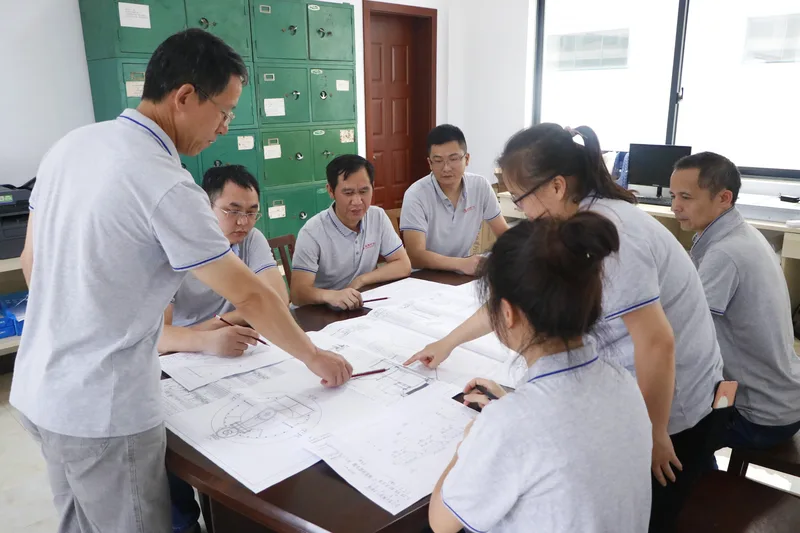
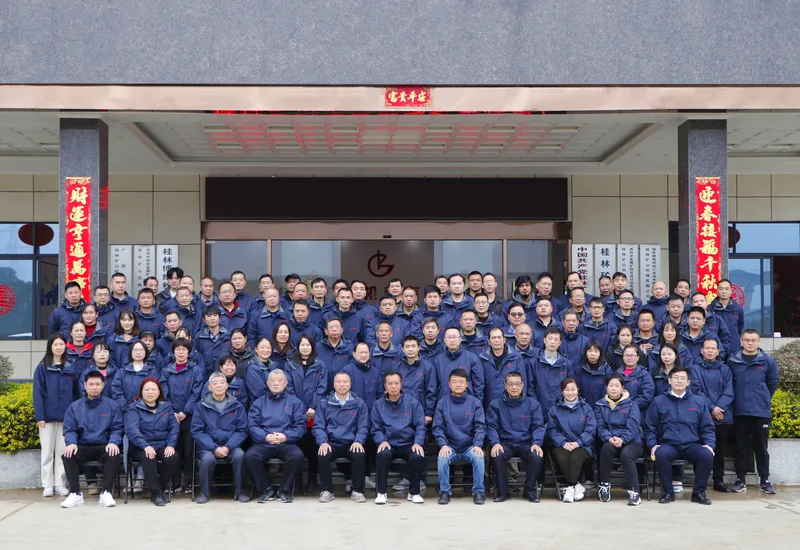
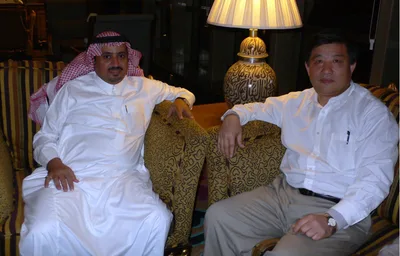
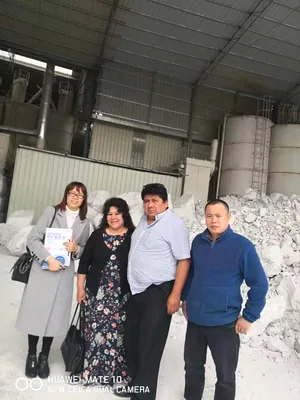
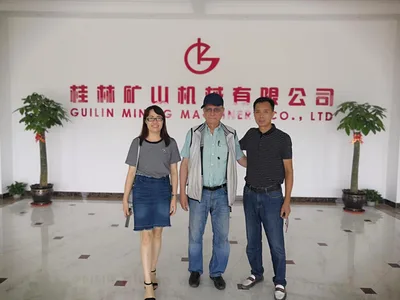
Guilin Mining Machinery factory workshopCronus machining equipment and manufacturing teamHeavy industrial machining equipment in Cronus factoryCronus and Guilin Mining Machinery team

13 / Quality credentials

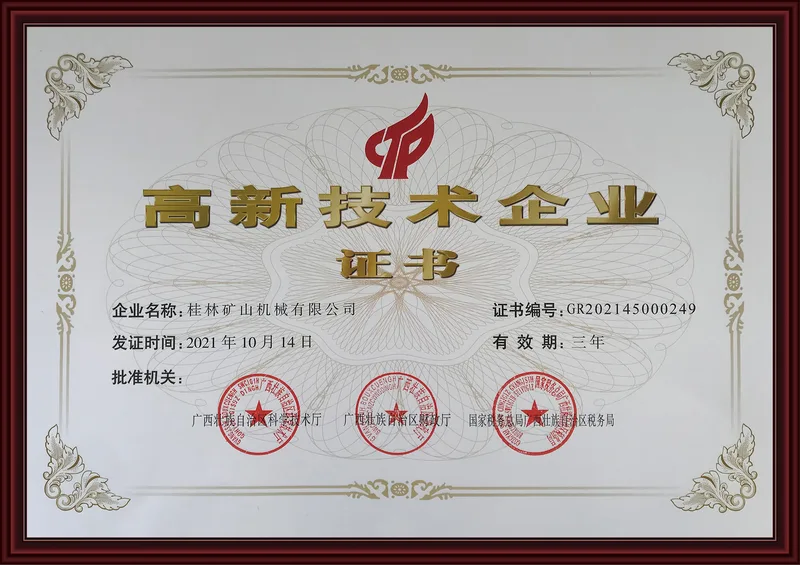
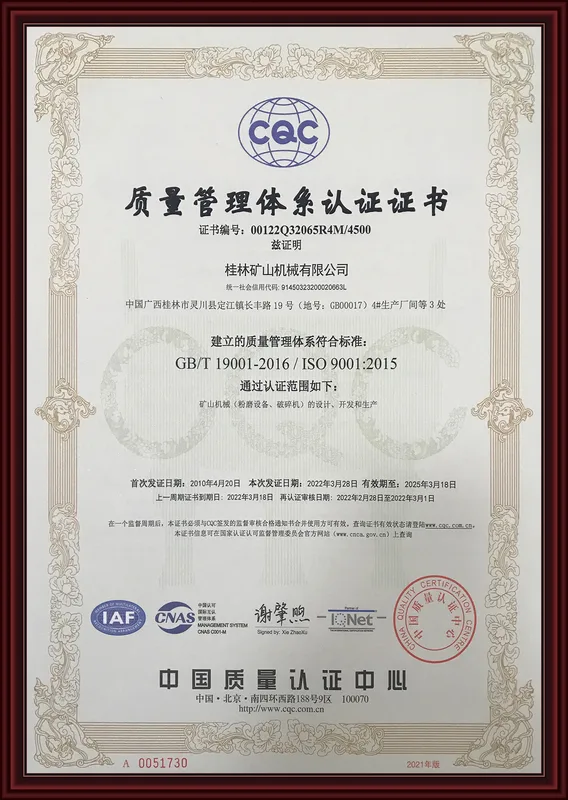
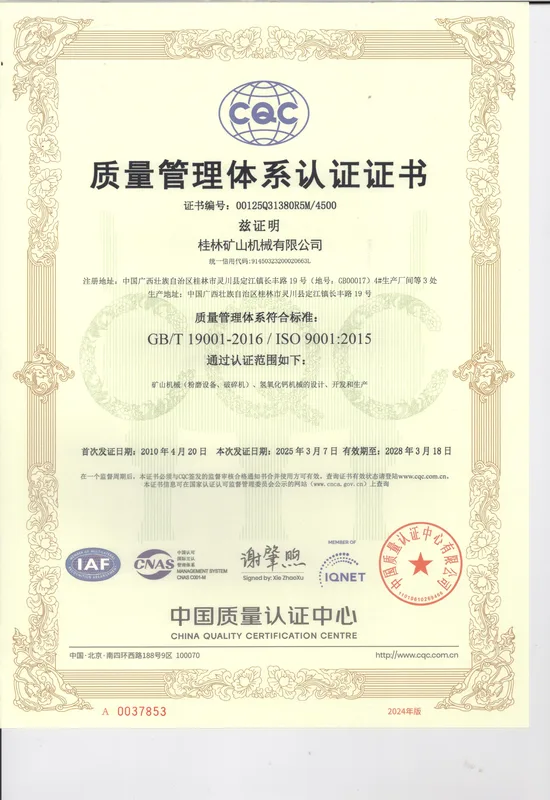
Certificates and recognition from the supplied company archive.

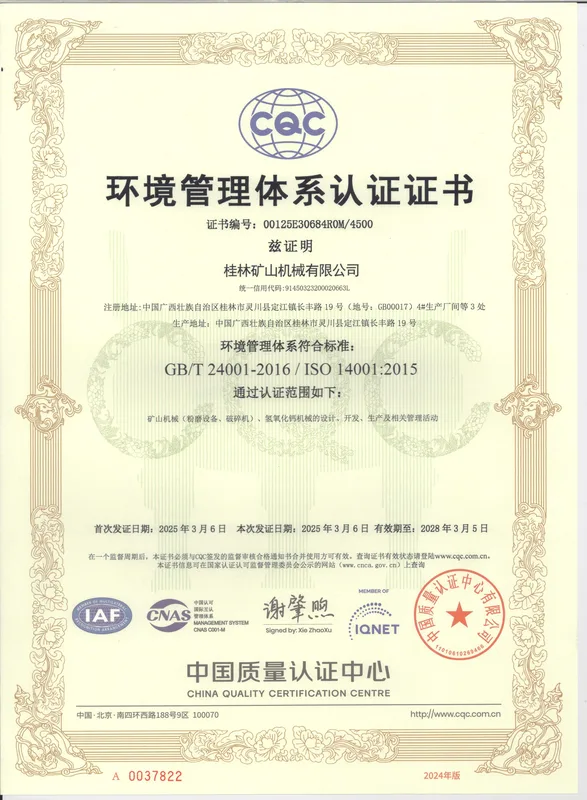
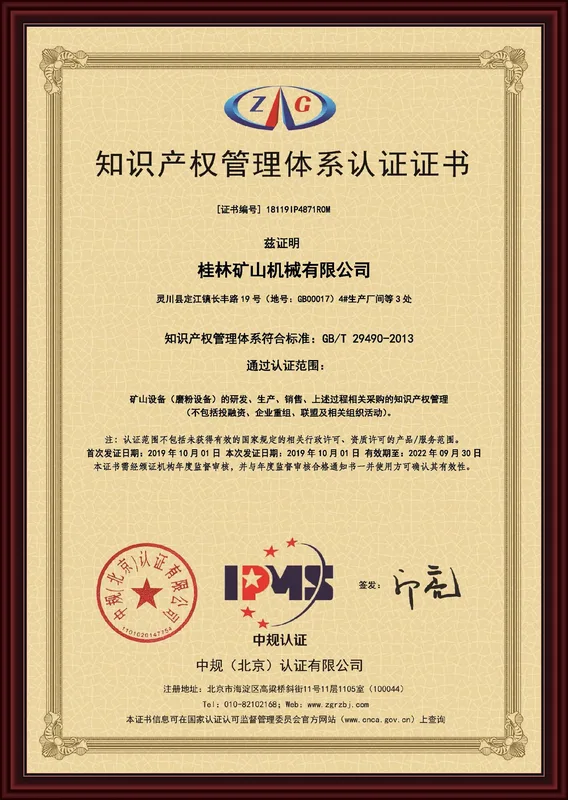
Project compliance must be checked against the current certificate scope, model, destination market and contract documents.

High-tech enterprise certificate of Guilin Mining Machinery
High-tech enterprise
CE certificate for Cronus grinding mill equipment
CE certification
ISO quality management system certificate
ISO quality management
ISO environmental management system certificate
ISO environmental management
Intellectual property management certification
IP management & patents

14 / Project lifecycle

Service begins with the sample and continues after start-up.

Scope is agreed project by project and can include remote or arranged on-site support.

01Material diagnosis

Assay, moisture, mineralogy, feed PSD, target PSD and application requirements.

02Test & process design

Grinding trial, classifier review, mass balance, equipment list and layout inputs.

03Manufacture & inspection

Drawing control, fabrication, assembly checks and documentation package.

04Installation guidance

Foundation, erection, alignment, ducting, electrical and interlock review.

05Commissioning & training

Start-up sequence, recipes, sampling, safety, maintenance and operator training.

06Process follow-up

Trend review, troubleshooting, optimization and original spare-part planning.

15 / Engineering FAQ

Questions to settle before buying a gypsum grinding machine.

A useful proposal starts with material and product data, not only a requested model number.

Should gypsum be ground before or after calcination?

Both routes exist. Pre-grinding can improve heat transfer and calcination uniformity; post-calcination grinding can adjust stucco fineness. The best route depends on kiln type, desired crystal phase, handling and product setting properties.

What feed size should enter a CRGM gypsum mill?

The catalogue maximum is 20 mm. A narrower and stable crusher product is usually better for feeding, power stability and predictable wear.

Does natural gypsum need drying?

Not always. Measure free moisture through seasonal variation. Drying or warm air becomes relevant when the feed coats surfaces, bridges in bins or weakens air classification.

Can the mill process synthetic or recycled gypsum?

Potentially, after removing paper, metal and other contaminants and confirming moisture and flow behavior. FGD gypsum often needs dewatering and drying; recycled wallboard needs robust separation.

How do I specify gypsum powder fineness?

Use a laser particle-size distribution with D10, D50 and D97 or a clearly defined sieve residue. Also state the test method, moisture condition and application performance target.

How do I choose CRGM80, CRGM100 or CRGM125?

Compare required capacity at the agreed PSD, operating hours, feed properties, power supply, building height and future grade mix. The material test and process balance should confirm the model.

When is a Raymond mill the better choice?

For conventional 80-325 or roughly 400-mesh products, a Raymond mill may offer simpler operation and lower project complexity. Compare tested output, residue and energy before deciding.

When should a ball mill be considered?

It may suit very large plants, wet grinding, an existing ball-mill infrastructure or products that benefit from its breakage mechanism. Review footprint, media wear and contamination.

What controls final fineness in a CRGM line?

Classifier speed, airflow, feed rate, grinding condition and circulating load interact. Changing one variable can shift both capacity and PSD, so validated operating recipes are important.

What causes high wear cost?

Quartz and hard impurities, oversize feed, very fine targets, unstable feeding, incorrect air balance and delayed maintenance can all accelerate wear.

Can one line make several gypsum grades?

Yes, within the tested operating window. Each grade needs a documented recipe, sampling method, suitable silo routing and a changeover procedure.

Can Cronus supply the complete powder line?

Project scope can include crushing, magnetic separation, feeding, conveying, grinding, classification, cyclone, bag filter, silos, packing and electrical control. Calcination can be coordinated according to the selected route.

What information is needed for a technical proposal?

Send material source, assay, moisture, feed size, target PSD or sieve residue, application, capacity, annual hours, voltage, altitude, climate, packing method and site layout.

What after-sales support is available?

Documentation, installation guidance, remote or arranged site commissioning, operator training, process follow-up and original spare-part support can be included in the project scope.

START WITH THE MATERIAL

Send a gypsum sample profile, not just a capacity number.

We can review the process route when you provide feed and product data. The inquiry form opens a prepared email in your mail application; no information is silently stored by this page.

Phone / WhatsApp+86 199 2122 1418Emailsales@shcronus.com
Shanghai officeRoom 801, Building 2, Shanghai Zhicheng, No. 8666 Hunan Road, Pudong New Area, Shanghai, China

WA